 Helping vulnerable communities to adapt to climate change
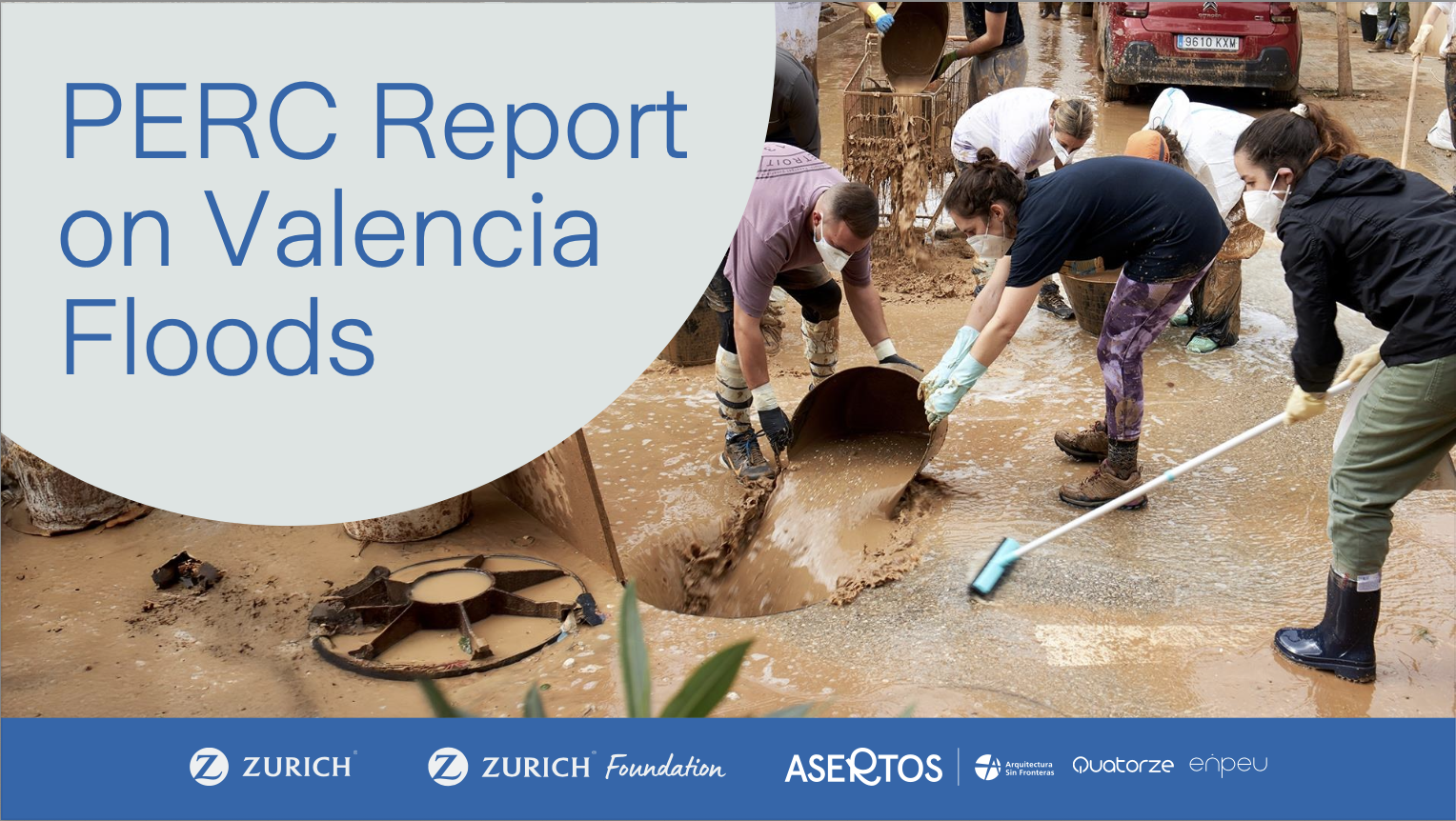
When floods swept through Valencia in October 2024, over 306,000 lives were directly affected.
Our latest Post Event Review Capability (PERC) Report - developed with Zurich Insurance Spain and local partners - looks beyond the damage to uncover what really matters: how people responded, what systems worked, and where we must do better.
From early warnings to community-led recovery, the findings show that resilience isn’t just about infrastructure, it’s about people. And it starts long before the next storm.
Explore the full report ➡️
Overview
3.3 billion people live in hotspots of high vulnerability to climate change. – IPCC
As climate change continues to impact our planet, vulnerable communities are facing an increasingly dire situation. The current increase in temperature is having devastating consequences and disproportionately affecting those who lack the resources to adapt and build resilience.
Our vision is one of a resilient future where communities - large and small - can adapt to avoid losses and damages from the changing climate. This will enable the most vulnerable to face a secure, healthy and prosperous future whilst remaining in place as much as possible.
At the heart of this lies the goal to allow people to continue living in their communities, with links to their home and traditions. No one wants to flee, and by adapting to the changing climate, fewer should have to.
Communities need to be front and center of strategies for building climate resilience. This leads to solutions that people can drive and own. Only by working together - governments, businesses, NGOs, and communities - can we create sustainable, scalable solutions for climate adaptation.

Disasters are rarely the result of a single factor. They emerge from a combination of risks, planning decisions and implementation. One of the most effective ways to strengthen resilience is to think beyond recovery and plan for long-term resilience before a disaster strikes. This means having clear plans, realistic scenarios and the right conditions in place to support recovery and build resilience to climate hazards.

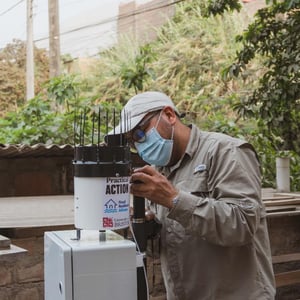
Our approach
Our approach to climate adaptation focuses on the following key elements.
- Community-driven programming – using targeted research and analysis, we develop customized solutions that can be scaled up
- Local, national, and global advocacy - showcasing our programming to decision-makers who can influence policy and change systems
- Strategic collaboration with the public and private sector - harnessing the expertise and resources needed to build resilience on a global scale
Through our programming activities and together with our partners, we currently operate in around 350 communities facing climate change hazards. What this means in practice is talking to people about the risks they face and then drawing on our network's expertise to develop and implement the right measures in each situation.
Read the full media release: Millions to benefit from an expanded leading program to adapt to climate change
Innovation at your fingertips
Since 2013, the Zurich Climate Resilience Alliance has successfully been developing and implementing the Flood Resilience Measurement for Communities (FRMC) process, now in over 400 communities globally.
The Climate Resilience Measurement for Communities (CRMC) is the next evolution of the FRMC, meeting the increasing demand to measure resilience to multiple hazards (such as heatwaves and wildfires) in order to accelerate climate change adaptation. It is being piloted in several communities through the Z Zurich Foundation’s Adapting to Climate Change Program, with more to be added soon.
To learn more about the CRMC and find out how it can add value to your programs, please contact the Z Zurich Foundation.
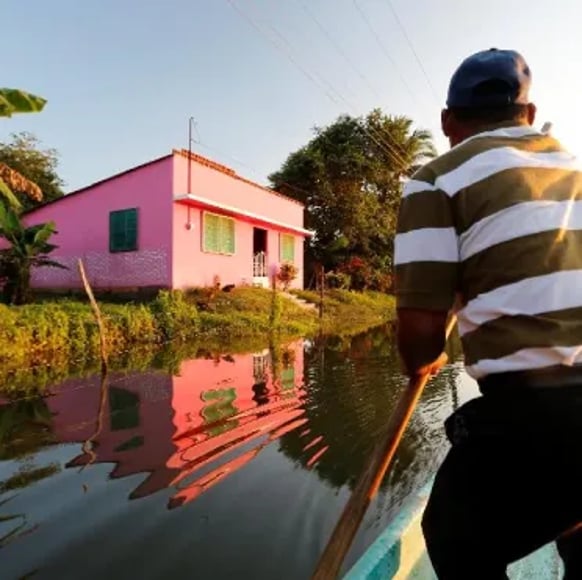
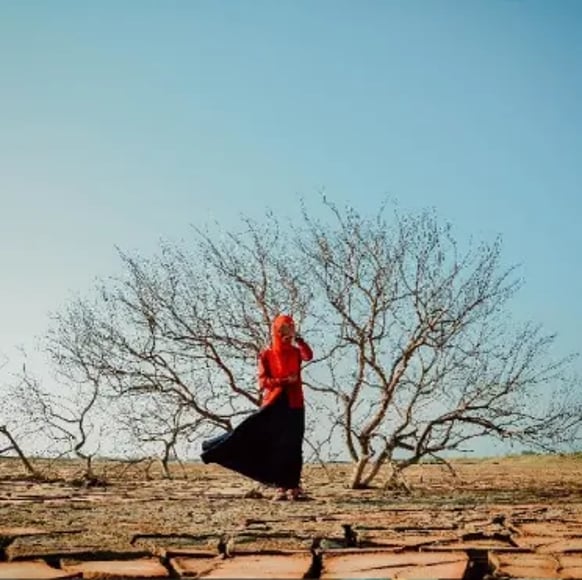
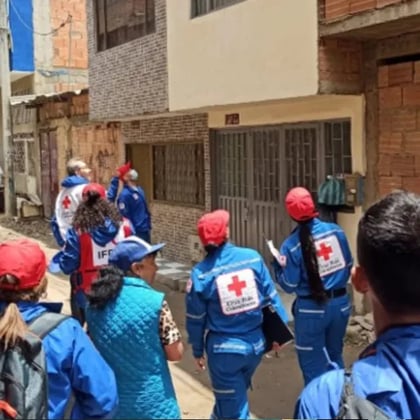
Our programs
We invest in tools, technologies, and solutions that address the specific needs of urban and rural communities around the world. And we continue to encourage businesses, organizations, and governments to join us in tackling the climate emergency by driving investments and resources towards adaptation measures.