Innovation that can transform
What's possible in social impact
Innovation at Z Zurich Foundation is a deliberate choice, one that keeps us relevant and impactful in a world that never stops changing. For us, innovation goes beyond new ideas. It also means applying proven approaches in new contexts, modernizing existing systems, and developing new platforms or tools where they are most needed.
We stay future‑ready by building flexibility into our work, grounding decisions in learning, and remaining open to fresh ways of addressing long‑standing challenges. Just as importantly, we draw on the insight and creativity of those closest to the issues: communities, partners, and experts. Their lived experience and ideas push us to test, adapt, and rethink how we create impact. Together, this mindset strengthens our ability to respond with relevance, speed, and empathy.
On the following pages, we share examples that show how this approach is shaping our programs, activities, and tools—helping communities thrive in meaningful and lasting ways.
Programming: When local insight meets smart technology in Vietnam
Across Vietnam, communities live with floods that can rise quickly and unpredictably. In recent years, local people frequently captured their own flood observations, but these valuable insights were rarely recorded or shared beyond the moment.
Working with ISET, a Zurich Climate Resilience Alliance member, provincial and city authorities began turning those informal observations into something far more effective. Community-recorded flood data is now systematically collected, verified and added to official Disaster Risk Management systems. The data feeds into a public, easy‑to-access digital map that records flood depths by location and event, shaping better preparedness and planning.
In Huế, the city shifted from installing occasional flood‑warning towers to implementing a strategic roadmap for nearly 180 locations, developed with ISET support and now being used by a potential donor to guide their investment. These solar-powered smart towers provide real-time water-level updates and significantly improve early warning capacity in the city.
This system is reinforced by four automated river level monitoring stations across the river network. Data from both the flood towers and river gauges is continuously updated to the Huế Smart City app (Huế-S), helping families understand risks as they develop. During the historical flood event in 2025, data from a single gauge recorded more than 19 million views on Huế-S, demonstrating both high demand and practical value of the data and technology.
Perhaps the clearest sign of progress came after a major flood in October-November 2025, when Huế independently initiated a flood trace investigation to update the database, taking increasing ownership.
This blend of community knowledge and practical technology is helping thousands of people make safer decisions during floods. It shows how innovation becomes truly impactful when it is rooted in local experience and led by those who use it every day.
When flooding happens, flood level data from the warning tower is updated on the website of Quảng Thọ commune. We also send updates to the village heads, who inform community members so they can take timely and appropriate actions. By comparing the flood depths at other sites with the tower’s measurements, we can use the data from Phò Nam A tower to predict water level in other locations of the commune, making it also useful for other villages.
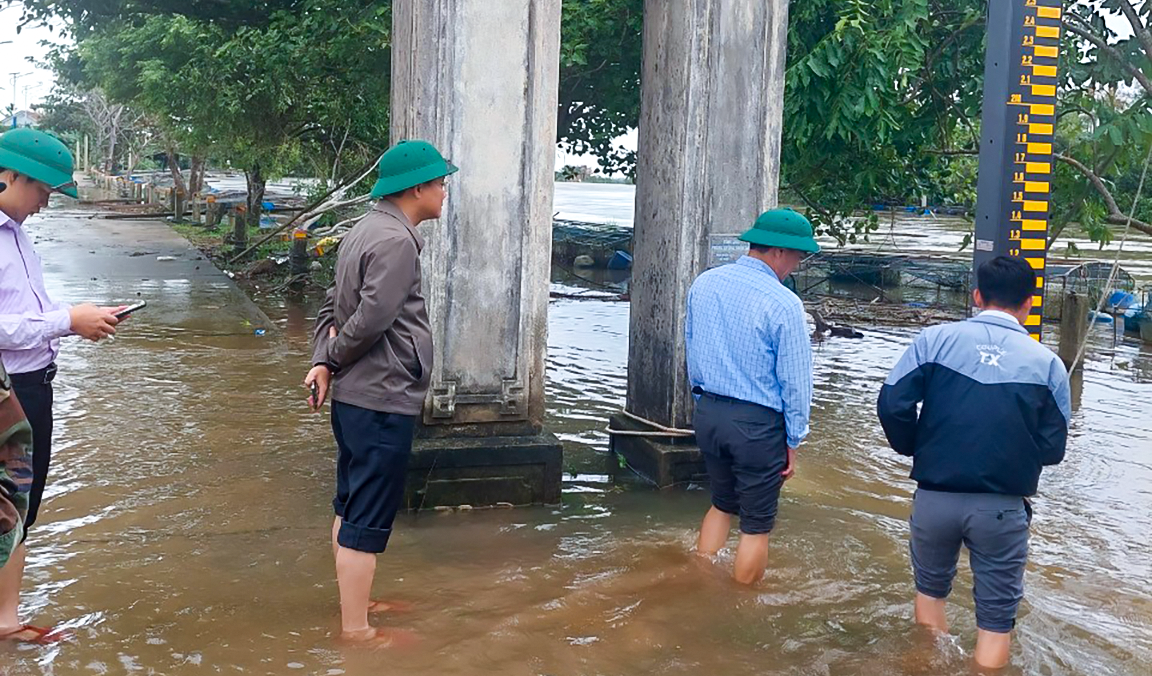 The Chairman of the Quảng Điền District People’s Committee inspects the smart flood warning tower during the November 2023 floods © Photo: Huế Division of Water Resources and Climate Change
Activities: Investing in the next generation with the Global Changemaker Program
Young people bring fresh ideas to everyday challenges. What often makes the difference is whether they have the support to learn, connect, and turn those ideas into action. When this comes together, it opens possibilities that reach far beyond one individual and strengthens communities and society.
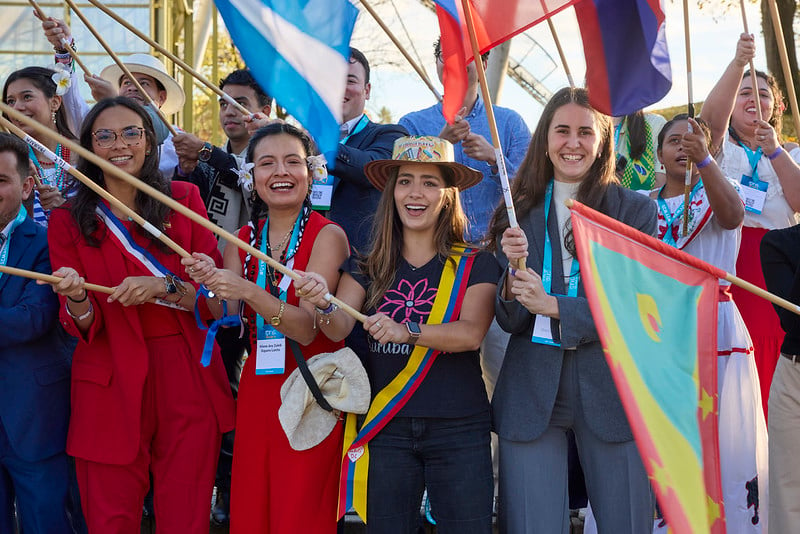 Photo credit: One Young World
We believe young people have the creativity and courage to shape the world around them. For years, we have supported scholarships to the One Young World Summit, enabling more than 150 young leaders to learn from peers and build a global community committed to positive change.
Inspired by their achievements, we launched the Global Changemakers Program, a new way of supporting and working alongside emerging leaders. The program helps young changemakers to strengthen their early-stage initiatives through a mix of guidance, resources, and connection.
After the Summit, scholars can apply for a year‑long fellowship. A smaller group is selected for tailored support that helps them accelerate their initiatives.
The program brings together everything young leaders need to make meaningful progress:
- Capacity development: cohort learning and one‑to‑one support strengthen their ability to drive, measure and communicate their impact.
- Funding: financial support to help them launch or scale their projects.
- Connection and community: participants gain visibility and join a wider network of peers, partners, and mentors.
- Collaboration: fellows co‑create solutions with Foundation partners and each other.
This multi‑phase journey includes pre‑Summit preparation, the One Young World Summit, a post‑Summit debrief, and a full year of support for selected fellows.
The Global Changemakers Program is a long‑term investment in young innovators who are already bringing new ideas to life and strengthening their communities in practical and meaningful ways.
Activities: From plaster to preparedness in crisis response
Throughout 2025, we supported responses to more than 30 disaster events across regions, including floods, earthquakes, wildfires, storms, cyclones, and conflict‑related escalations. Flooding remained the most frequent climate‑related emergency, while earthquakes featured more prominently than in previous years, often compounding existing vulnerabilities. These responses took place across diverse and fragile contexts, working alongside experienced humanitarian partners and, where relevant, with Zurich’s local teams to enable timely action and engage Zurich employees around a shared sense of solidarity.
As the year progressed, a consistent pattern emerged. Across very different crises, the psychological and social impact of emergencies played a critical role in how people coped, recovered, and rebuilt their lives. In response, we continued to prioritize mental health and psychosocial support (MHPSS) as a core element of our crisis response approach.
At the same time, 2025 marked further progress in our shift from largely reactive, event‑based responses toward greater preparedness and system‑level contribution. Building on the Responding to Crisis pillar established in 2024, we applied clearer criteria for engagement, strengthened our network, and increasingly combined rapid response with long‑term intent. Alongside meeting immediate needs, we invested more in preparedness, prevention, and the integration of MHPSS into humanitarian response. Private philanthropy for global mental health remains below 1% of development assistance, and we are among the small group of funders helping to pioneer progress. Through multi‑year collaborations, advocacy, and sector engagement, we aim to support more durable solutions, recognizing that meaningful change takes time and collaboration.
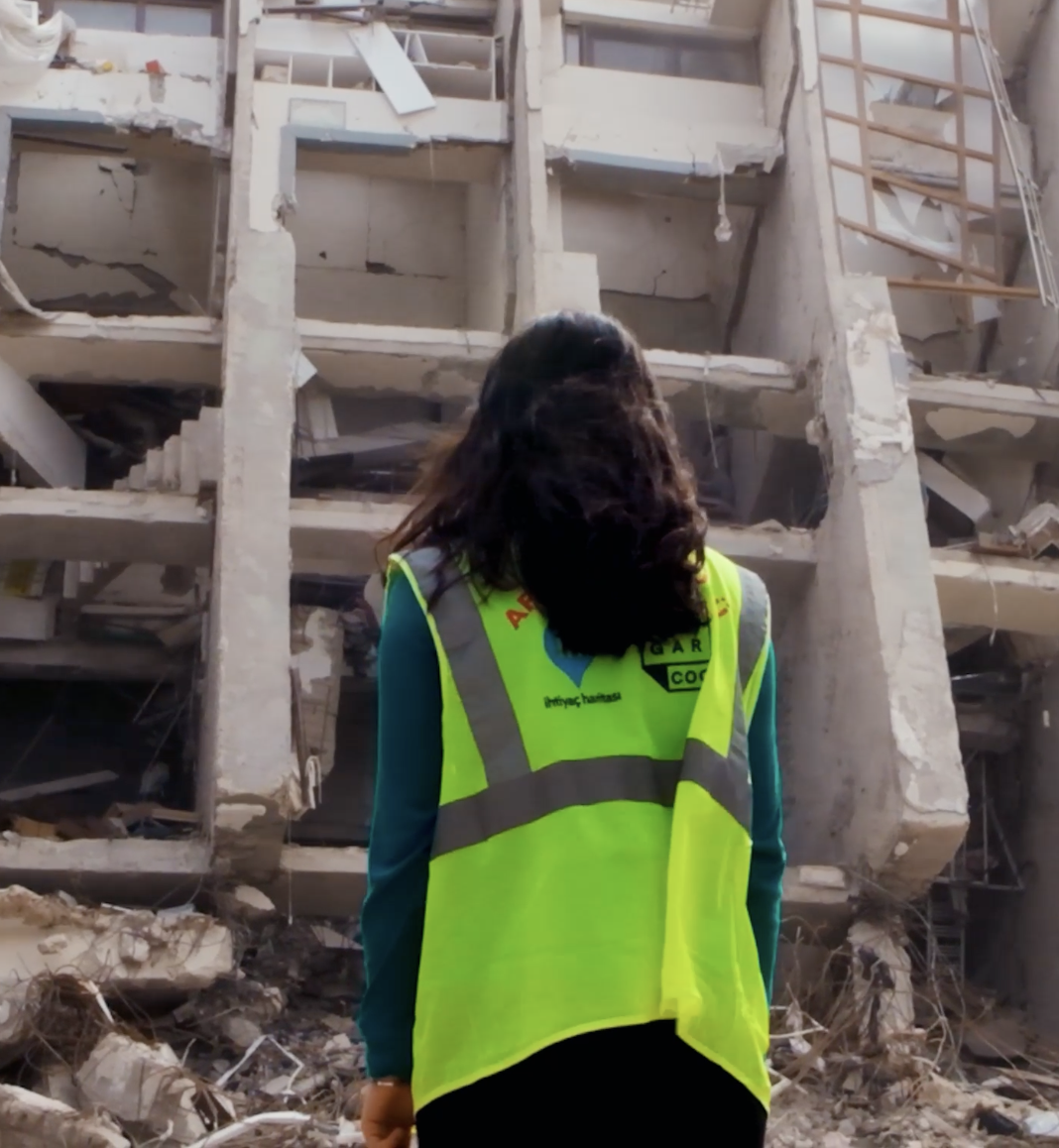
When mental health and psychosocial support are integrated into disaster management, crisis response becomes the foundation for long-term healing. Every community and experience is unique, and so interventions must be tailored to time, place and person.
Case study: Mobilizing global participation to accelerate emergency food assistance
In 2025, the humanitarian situation in Gaza underscored the importance of rapid, trusted collaborations in acute crises. Through the World Food Programme (WFP), we supported life saving food assistance while also mobilizing wider engagement through a matched giving approach.
Our contribution helped catalyze a broader response. The matched campaign inspired more than 8,600 individuals across over 140 countries to donate. Individual donations combined with our matching helped deliver a 2.4 million life saving meals to children and families in Gaza, at a time when access to food remained severely constrained.
Beyond the numbers, this response demonstrated how the Foundation can complement humanitarian operations by pairing financial support with approaches that increase reach, participation and visibility. The collaboration showed how we can strengthen emergency support by offering both resources and new ways for people to get involved.
Case study: Leveraging local capabilities to strengthen crisis response in Indonesia
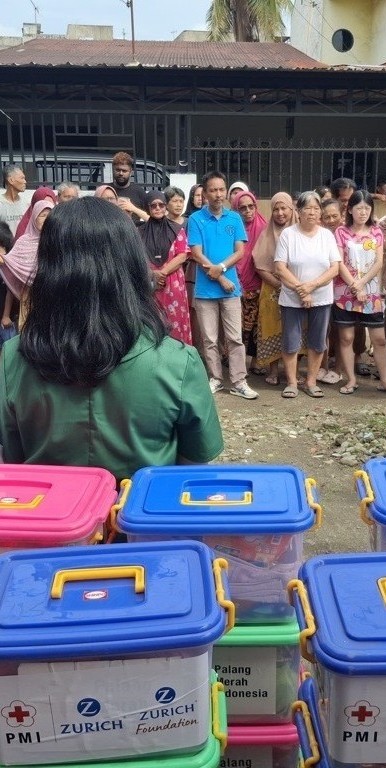
In late November 2025, severe flooding affected multiple regions across Indonesia, prompting a rapid response from the Foundation. With the support of Zurich Indonesia, the Foundation worked with the Indonesian Red Cross to distribute more than 2.6 tonnes of aid to over 90,000 people across villages in North Sumatra. Assistance included clean water, emergency relief items, hygiene kits and essential medicines, alongside medical support for affected communities. Zurich Indonesia played a critical role by mobilizing local teams, coordinating closely with partners on the ground and supporting the distribution of aid. In parallel, Zurich Indonesia launched a fundraising appeal among its employees, with donations matched by the Foundation to further extend the impact of the response.
Tools: Building a leading impact practice
Our 2020 Impact Measurement Framework set the foundation of our approach, and since then it has grown into a practice that allows us to understand change far more clearly and consistently across all programs. We look at who was positively impacted, whose lives were transformed, and what shifts in attitudes or behaviours made that possible.
This matters because with this insight, we can scale what works, and influence systems instead of investing in isolated interventions. A leading impact practice is what helps us make better choices and ultimately enables our work reach further and go deeper.
We have invested in building capacity across the organizations we support through practical tools, guidance and onboarding on outcome measurement, theory of change and capturing data. Not every organization starts from the same place, so we are committed to building long‑term capability. This mindset reflects how we want to show up in the sector and the role we want to play as a partner in learning, not just a funder.
In 2025, to deepen the understanding of what truly changes for people, we began piloting Social Return on Investment (SROI). We work closely with academic institutions and experts, in particular with Middlesex University, a global expert in SROI. This helps us look beyond budgets and activities to see the real social, environmental and economic value our programs create.
As the work progresses, we are seeing how this outcome-oriented perspective brings greater transparency, trust and clarity to our impact narrative. Because SROI uses a shared language that is recognized by funders, policymakers and organizations around the world, it strengthens the way we communicate achievements and advocate for support. By focusing on outcomes that are most material for those we work with, SROI highlights the real changes experienced by people, families, and communities. This gives us a clearer and more meaningful picture of our impact across areas such as mental wellbeing, social equity, and climate resilience.