How we create lasting change in a rapidly transforming world
Case studies: the power of partnerships in action
Working closely with others fuels lasting impact. They bring ideas, resources, credibility, and staying power that we simply could not create alone. This work is better, and goes further, because of the people and organizations who choose to do it with us.
In 2025, we worked to integrate partnerships more meaningfully into our programs. As a result, we saw a real shift throughout the year: the organizations we work alongside were able to bring more partners to the table - public, private, philanthropic, and in‑kind. Across our portfolio, more than 90 financial and in‑kind contributions helped strengthen programs, extend reach, and make the work more resilient.
The stories that follow showcase how shared effort translates into real progress.
Multiplying impact, opening vast possibilities for education |  |
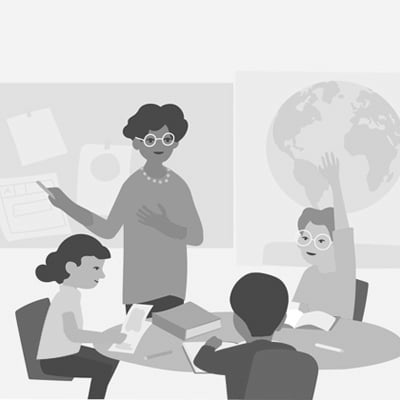
When budgets are squeezed, education is often the first sector to feel the pressure. This short-term thinking carries profound and lasting consequences for young people and for society as a whole. Recent global analysis warns that international aid to education could decline by as much as 25% by 2026-2027, far steeper than overall ODA cuts of 9‑17% over the same period*.Against this backdrop, our work this year through the Friends of Education Walk the Talk Pooled Fund is a crucial development.
By pooling resources and working with equal voice, several Swiss foundations came together to provide the seed funding for the establishment of the Foundation for Global Partnership for Education (GPE), with the aim of mobilising larger flows of public and private investment for country-aligned and system-level transformation. This is an especially critical resource today, when many charitable organizations working in education are facing the twin challenge of dwindling resources and growing demand. In this context, leveraging synergies, evidence-based approaches and collaborative action among funders is essential to move beyond fragmented and siloed efforts.
Through this shared contribution, the Foundation for GPE can unfold its role to act as a catalyst, opening access to education system transformation that no single foundation could achieve alone. Together, we helped unlock a new source of funding for the sector – expanding GPE’s reach beyond public finance, and enabling foundations and private sector partners to align their investments with nationally led education reforms that will strengthen systems and deliver lasting impact at scale.
The launch of the Foundation for GPE shows the importance of placing collaboration at the heart of philanthropy. By truly “walking the talk,” we showed that when funders work together, impact is multiplied and sustained, leveraging education as a strategic investment for economic stability.
Strengthening youth mental wellbeing for the long-term |  |
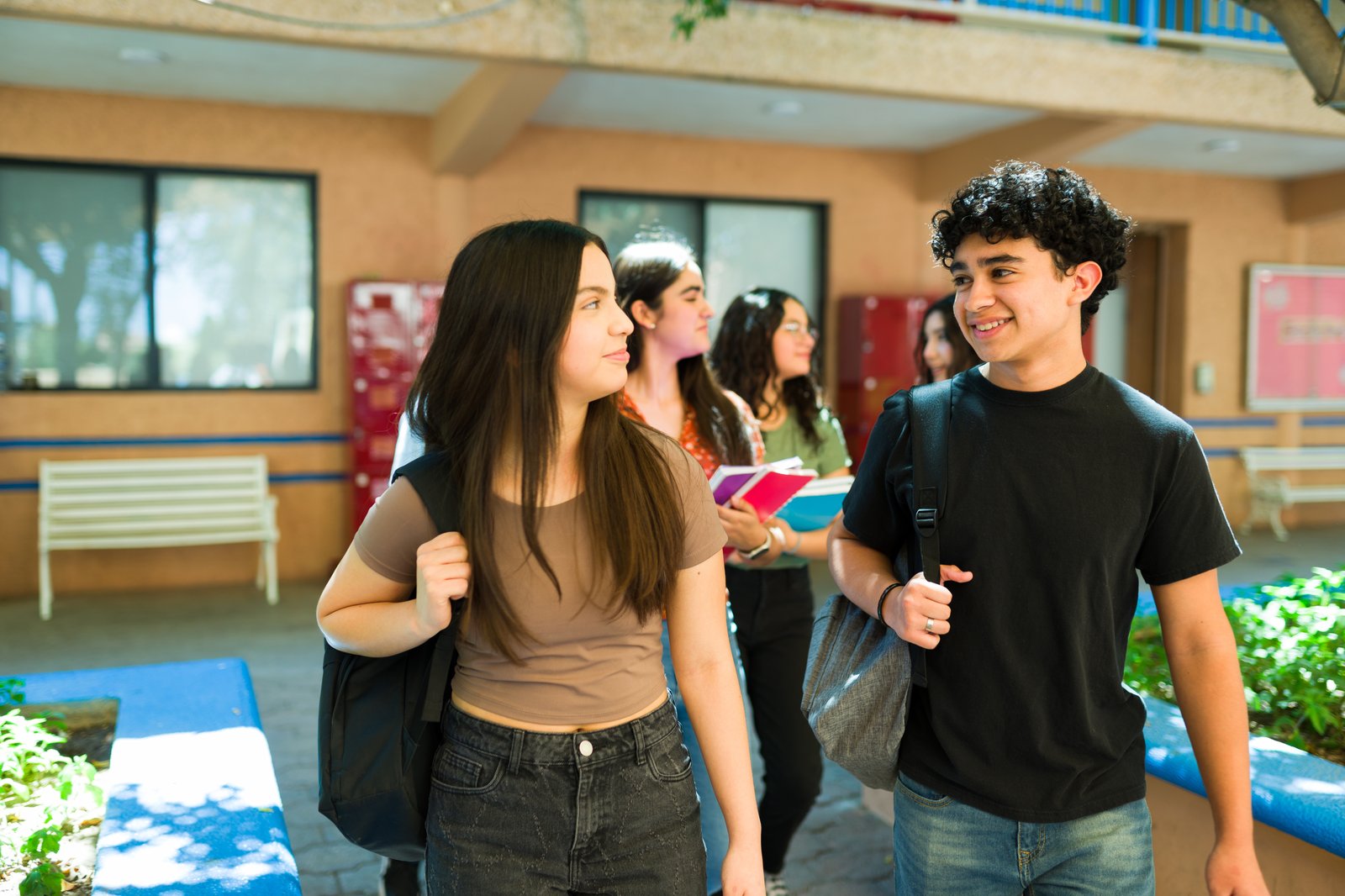
Improving youth mental wellbeing means working with millions of caregivers, schools, and young people. It is a major undertaking that calls for collaboration, funding, and commitment from public and private stakeholders alike. For true systems change, youth mental wellbeing needs to be publicized, prioritized and promoted. With enough momentum, mental wellbeing can take its meaningful place in policy and legislation, driving long‑term systemic change. That’s the future we are working towards.
In New Zealand, Mitey significantly strengthened its partnership ecosystem to support scale and long‑term sustainability in its work supporting evidence-based mental health education in schools. This included multi‑year grant support from Z Zurich Foundation, alongside public, corporate, philanthropic, and in‑kind partnerships.
The program gained attention and backing from public, corporate, philanthropic, and in‑kind partnerships, including government funding for mental health, new corporate funding relationships, and regionally focused philanthropic support. This wide range of support meant that Mitey could expand into new regions, increase its reach in schools, and strengthen long‑term financial resilience.
In 2025, the UNICEF-led Global Coalition for Youth Mental Health continued to advance a shared ambition: protecting and promoting the mental health of children and young people worldwide. Launched with the Foundation’s support in 2022, the Coalition demonstrated the strength of collective action, bringing together UNICEF and leading private‑sector partners to advocate for mental health as a fundamental right. During the year, the Coalition further expanded its reach by welcoming Rituals a new member strengthening its influence and deepening its commitment to sustained action.
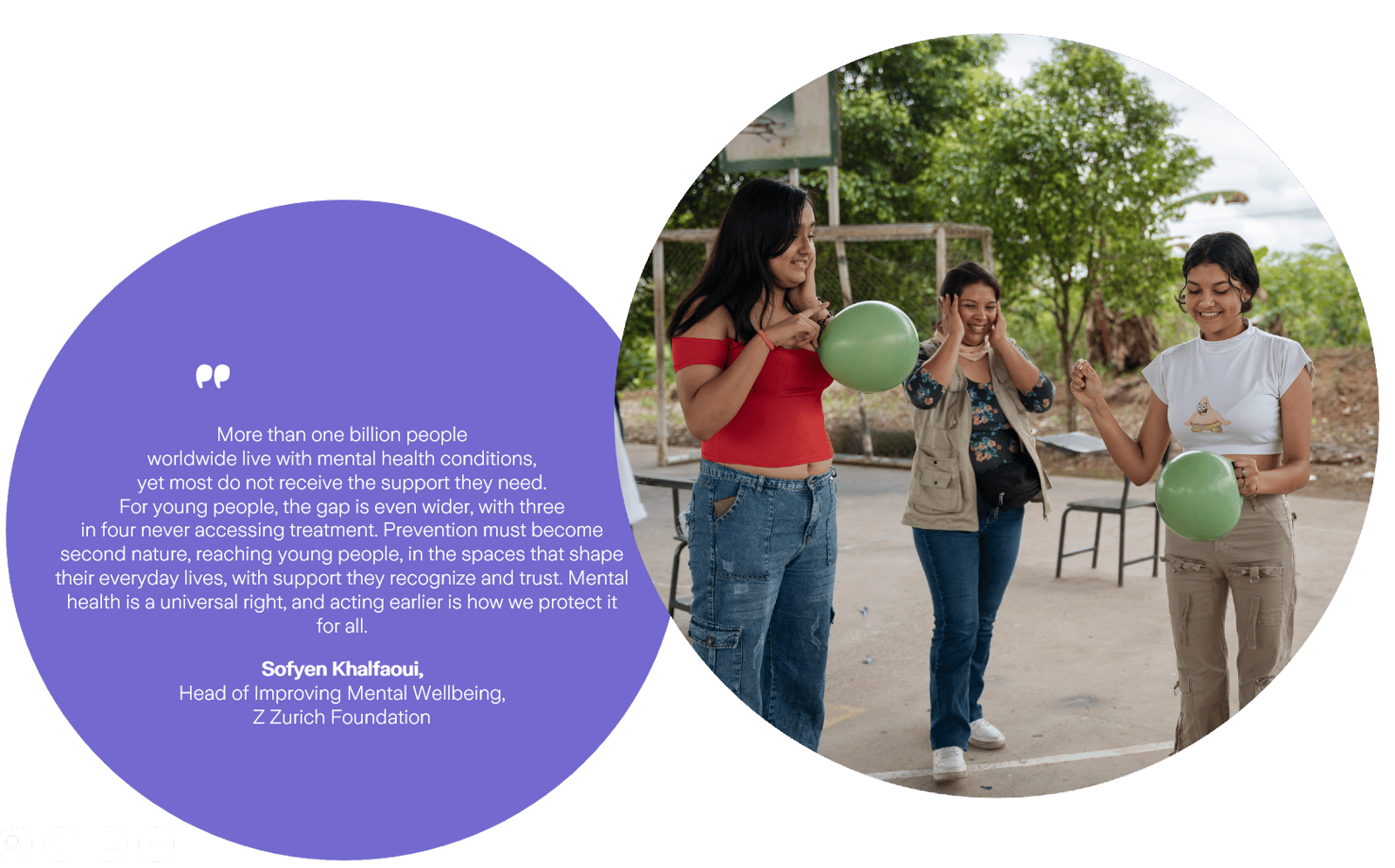 ©UNICEF/ECU/2024/Arcos: Adolescent students participate in a mental health and psychosocial support workshop for adolescents and young people at Luis Vargas Torres Educational Unit in Esmeraldas, Ecuador.
Resilience built with communities, powered by collective action |  |
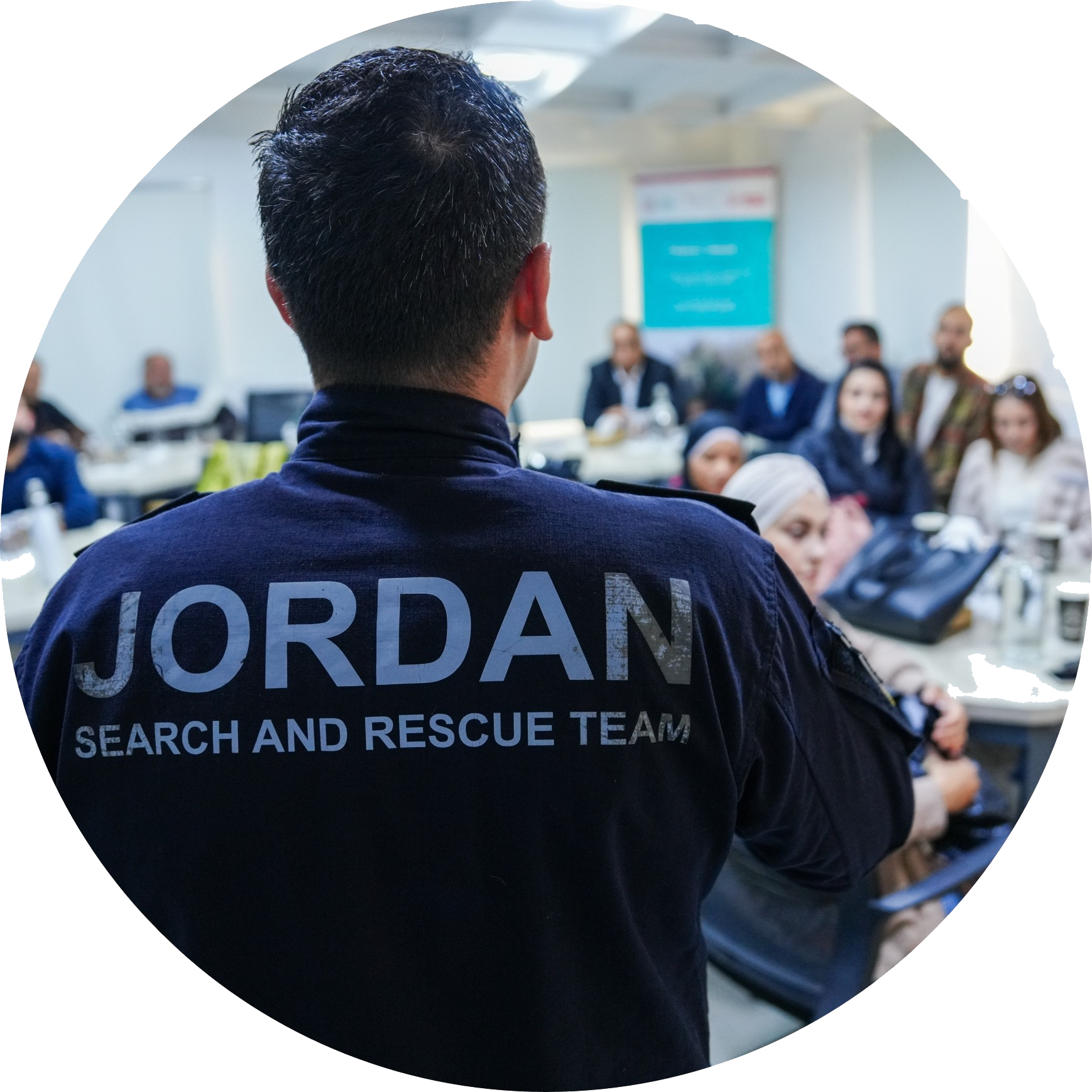
Flood Awareness Campaign in Azraq, Zarqa, Jordan, 2025, Mercy Corps
In a warming world, climate vulnerability is a profound risk for individuals and communities exposed to extreme weather and changing landscapes. Tackling it calls for a broad approach: working on resilience, awareness, culture and infrastructure, all within narrow time windows.
Tabeaa, a climate resilience project in Jordan, is a powerful example of how resilience grows when partners combine their strengths and work toward this common goal. Through close collaboration with municipalities, national ministries and development partners, the project helped turn climate risks, once abstract, into shared priorities communities can act on. This approach strengthened trust, expanded co-design processes, and ensured that communities were not only informed but actively shaping their own resilience plans.
These collaborations translated into real, measurable progress across the country. Community-led assessments guided resilience planning in five high-risk areas, national campaigns extended the reach of climate information to hundreds of thousands, and preparedness efforts helped communities move from awareness to action. Together, these steps show how long-term commitment, evidence-based design, and strong local leadership can turn climate risks into opportunities for safer, more resilient communities.
This work was powered by a coalition of partners including the Z Zurich Foundation, the Embassy of Switzerland in Jordan, national ministries and entities, municipal authorities and private sector partners, working together to accelerate resilience across Jordan.
In numbers
- 8,524 people gained practical knowledge and skills to better manage heatwaves, floods, and water stress.
- Nearly 300 community members and local authorities shaped resilience priorities through CRMC assessments and co-design.
- The Harrek Way’ak heat-health campaign reached 700,000+ people, boosting awareness of heat‑related health risks.
- 101 disaster response personnel strengthened flood-readiness skills through targeted training.
- A 1,500 m³ storage dam was built in Wadi Musa, reducing local flood risk using environmentally sensitive design.
- 37 community advocates gained new pathways to influence national decision-making.