
How we create lasting change in a rapidly transforming world
Case studies: Supporting system change through grants
Across the portfolio, our grants are increasingly contributing to changes in how institutions, public systems, and communities operate.
Many grants draw on evidence and collaboration to inform government decision‑making, guide planning processes, and improve the way services are delivered. Others focus on building capacity within schools, local authorities, employers, and civil‑society organizations, helping to embed improved practices that can continue well beyond the life of an individual project.
Multi-stakeholder collaboration is becoming a central driver of this change, enabling programs to shift behaviors, mobilize resources, and reinforce new ways of working across entire systems. Together with the charitable organizations we work with and Zurich’s local teams, we are not only delivering programs on the ground, but also helping to shape policies, improve standards, and strengthen the structures needed to support long‑term change.
The stories that follow showcase how backing the right programs can lead to long-term change.
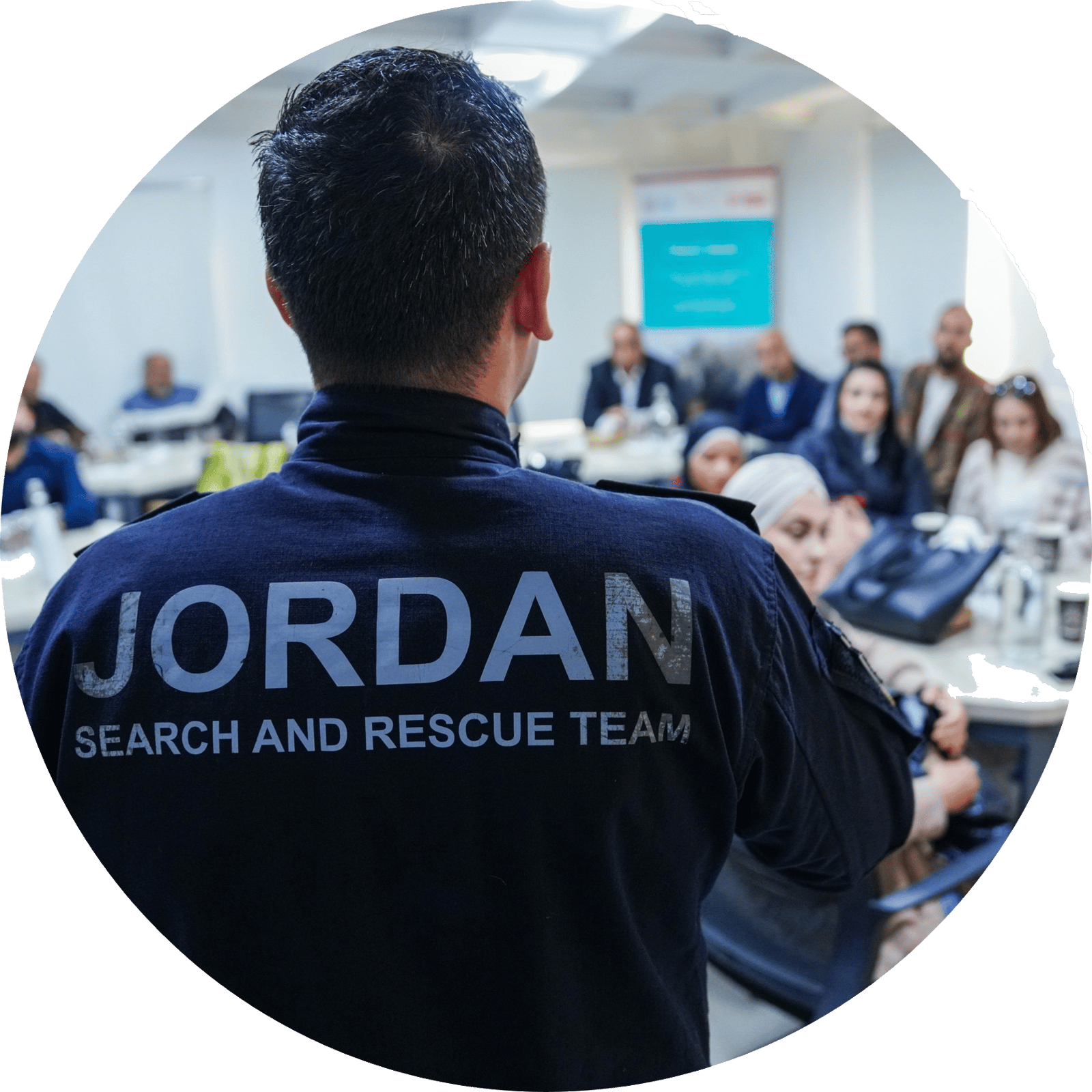 Flood Awareness Campaign in Azraq, Zarqa, Jordan, 2025, Mercy Corps
 Local efforts that lead to far greater impact |  |
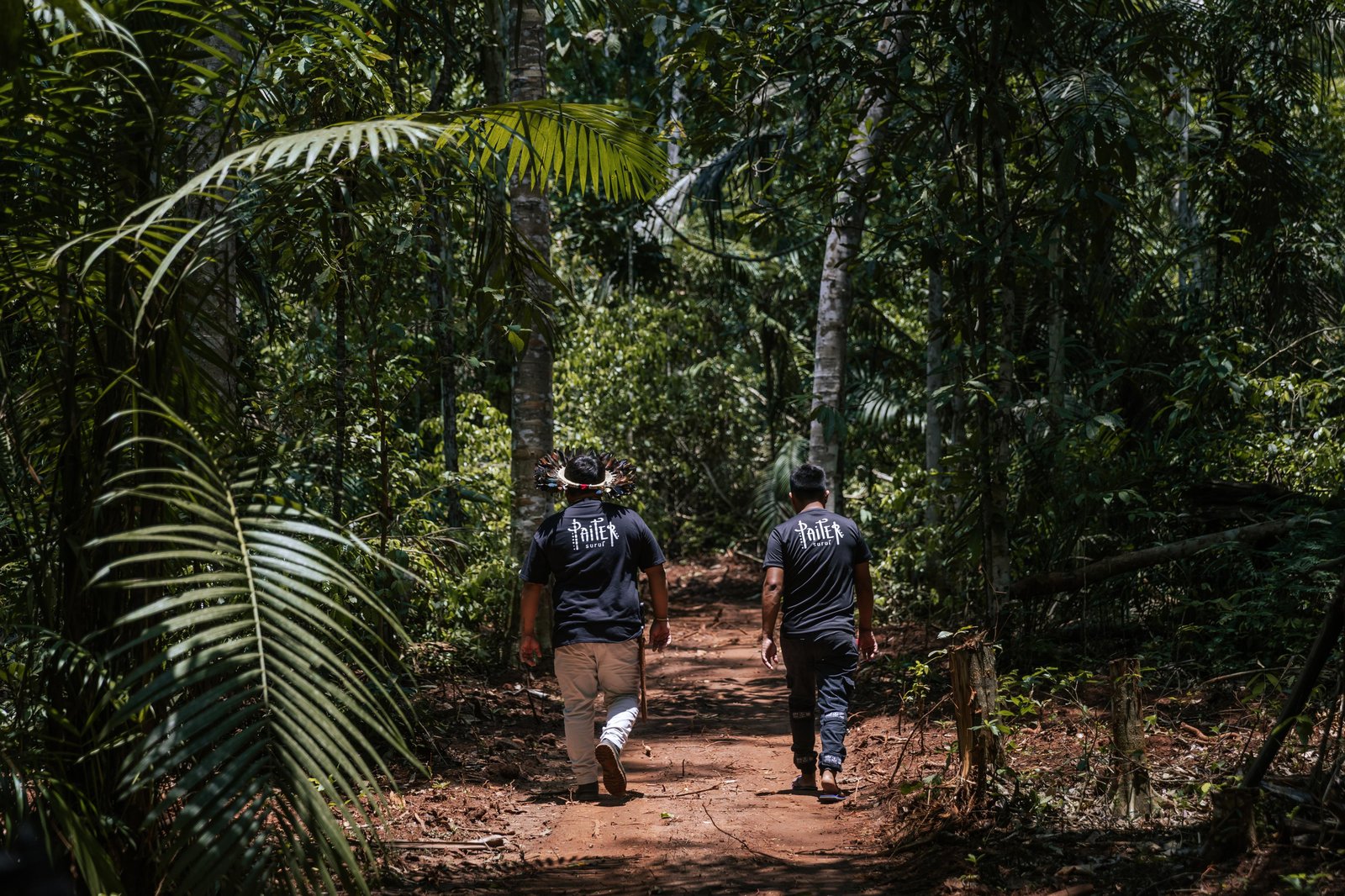 Photo credit: Plan 21
The Transforming the Future program supports communities to build tourism that works for the long term: for people, for livelihoods, and for the places they call home. By supporting local institutions, policies, and coordination between public and private actors, the program helps communities put long‑term sustainability at the center of how tourism functions, not as a one‑off project, but as a shared way of working that can endure and be replicated.
In Argentina, this approach has helped Puerto Iguazú set a new standard. By supporting local decision‑makers and tourism actors, the program played a key role in the city becoming Argentina’s first officially certified sustainable tourism destination. This certification matters: it helps ensure tourism supports local livelihoods while protecting what makes the place special – its nature, culture, and community life. By managing tourism more carefully, Puerto Iguazú is also better prepared for future shocks, from climate impacts to changes in visitor demand. The certification now serves as a practical example other cities can learn from and adapt.
Brazil offers another clear example of Transforming the Future in action. There, a community trail in Ocoí that had fallen out of use was brought back to life with local involvement and reintegrated into the region’s tourism offer. Today, the trail supports income for nearby communities while preserving a route with deep cultural meaning.
Across Argentina and Brazil, these stories show what thoughtful tourism can look like in practice: communities strengthening local livelihoods, caring for the landscapes and traditions that define them, and building the resilience needed to face an uncertain future.
Embedding mental wellbeing in education systems for teachers |  |
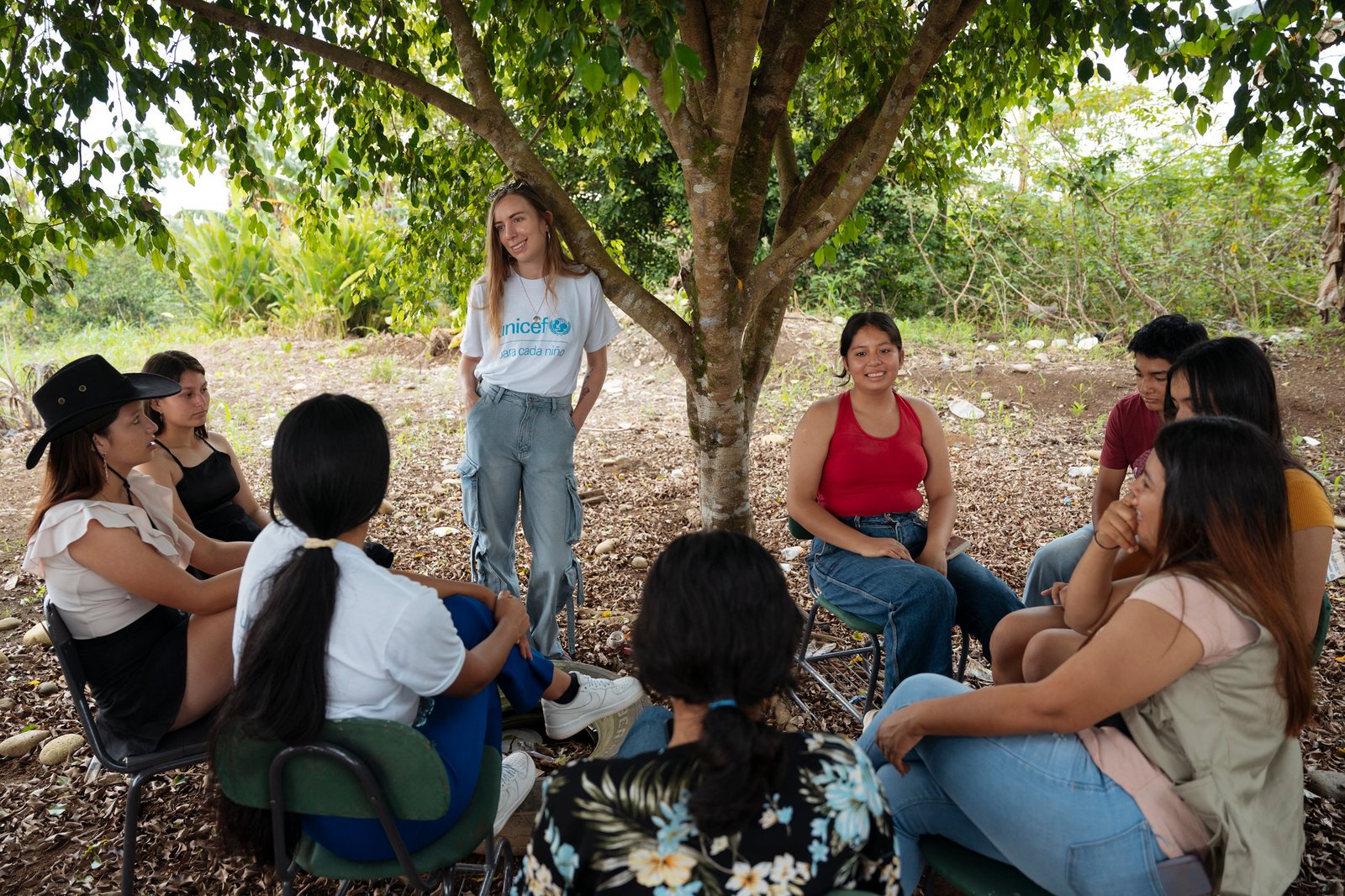 ©UNICEF/ECU/2024/Arcos: Margarita Grijalva, a Child Protection Assistant at UNICEF Ecuador, takes part in a recreational activity during a mental health and psychosocial support workshop for adolescents and young people at Sebastián de Benalcázar Educational Unit in El Eno, Ecuador.
Ecuador: Embedding mental wellbeing in national teacher training
In Ecuador, adapted Helping Adolescents Thrive (HAT) guides were incorporated into the Ministry of Education’s “Me Capacito” platform for continuous professional development. The 40‑hour course “Colectivamente, ayudando a adolescentes a prosperar” gives teachers, school inspectors, and student counseling staff practical tools to support adolescent wellbeing and prevent risk behaviors.
By integrating HAT into the existing national system, Ecuador has established a more sustainable and cascading model of impact. Every educator trained through Me Capacito can translate their skills into support for hundreds of students each year, ensuring that the initial investment in training extends far beyond individual classrooms. This strategic approach significantly increases scale and helps shift the education system toward a more proactive and supportive model of mental wellbeing.
The course aligns with national standards and contributes to career progression, helping to encourage broad participation. By November 2025, more than 1,500 educators had completed the course, supporting the adoption of a more consistent approach to adolescent mental wellbeing across the country.
Advancing mental health and psychosocial support in emergencies |  |
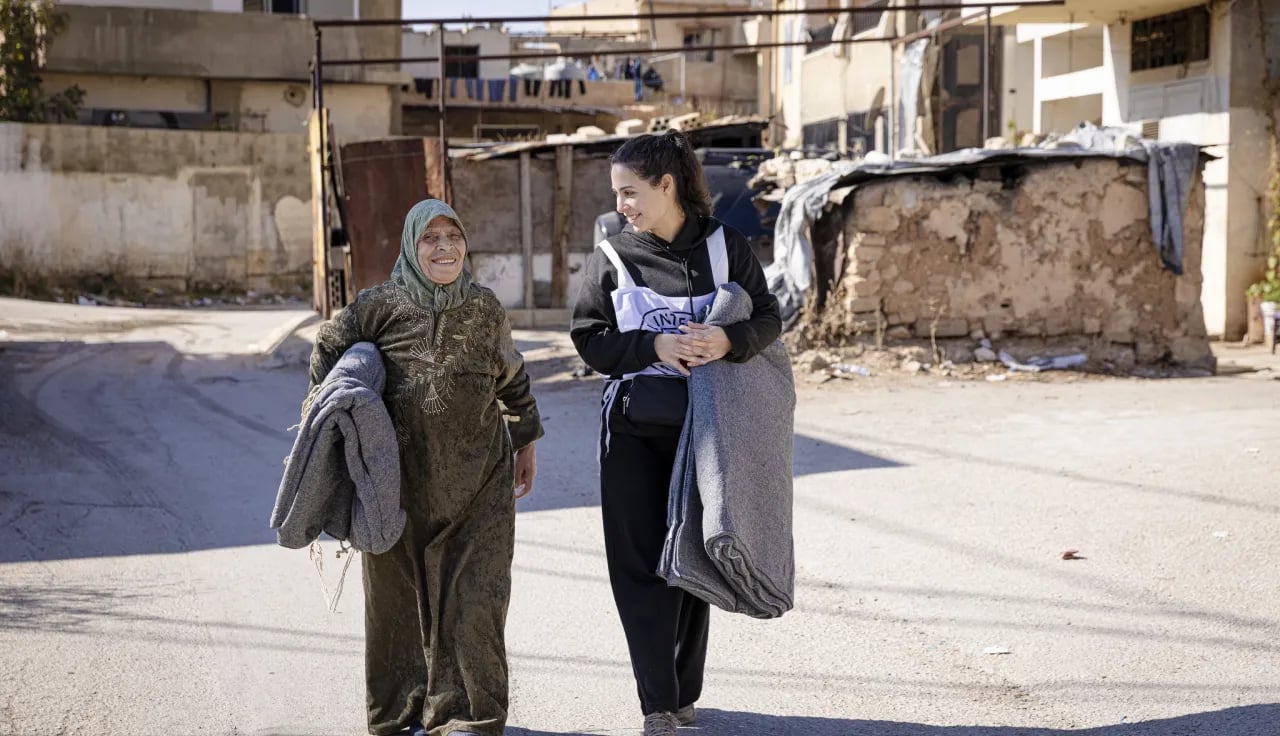 Photo credit IFRC
Our collaboration with the International Committee of the Red Cross (ICRC) reflects a shared recognition that mental health and psychosocial support (MHPSS) is both one of the most urgent and most under‑resourced aspects of humanitarian response. In 2025, we started a multi‑year collaboration with the ICRC designed to strengthen how MHPSS is integrated into emergency response, particularly in conflict‑affected settings where psychological distress, trauma, and loss are widespread.
The collaboration focuses on supporting the ICRC’s efforts to further advance its emergency MHPSS capacities. Through developing practical, multilingual tools and guidance for frontline responders and decision‑makers, the ICRC can support MHPSS in a range of contexts, across the world. This collaboration aims to embed mental health considerations more consistently into humanitarian action, helping ensure that MHPSS is treated as an integral part of response rather than a secondary or optional activity.
As crises become more complex and resources more constrained, investing in collaboration and system‑level improvement is a deliberate choice, grounded in the conviction that mental health is a cornerstone of humanitarian action.
Aly’s story:
At just fifteen years of age, Aly was forced to flee his home with his family, eventually finding refuge in a crowded settlement near Burkina Faso. But safety didn’t end his struggles. Hounded by painful memories, Aly was plagued by night terrors and insomnia. After his mother attended a mental health awareness session in the settlement, she recognized his symptoms and brought him to an ICRC-backed medical center-one of the few in the region. Through drawing and writing, therapy helped Aly work through guilt and trauma. Today, he is back in school, making friends and finally sleeping through the night.
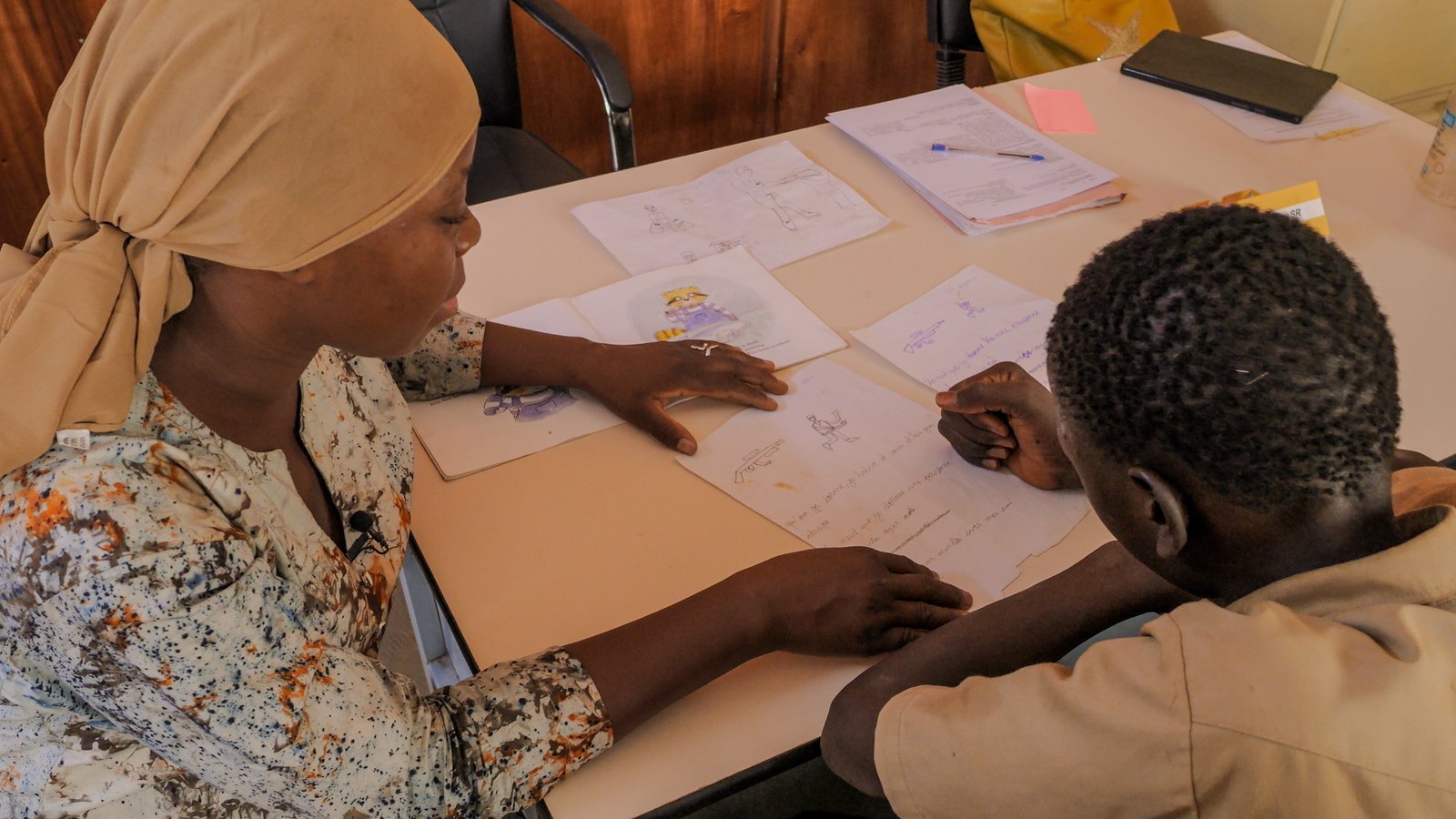 Photo Credit: Alphonse Dioh/ICRC